How to Choose the Best Location Before Starting a Vizio TV Setup
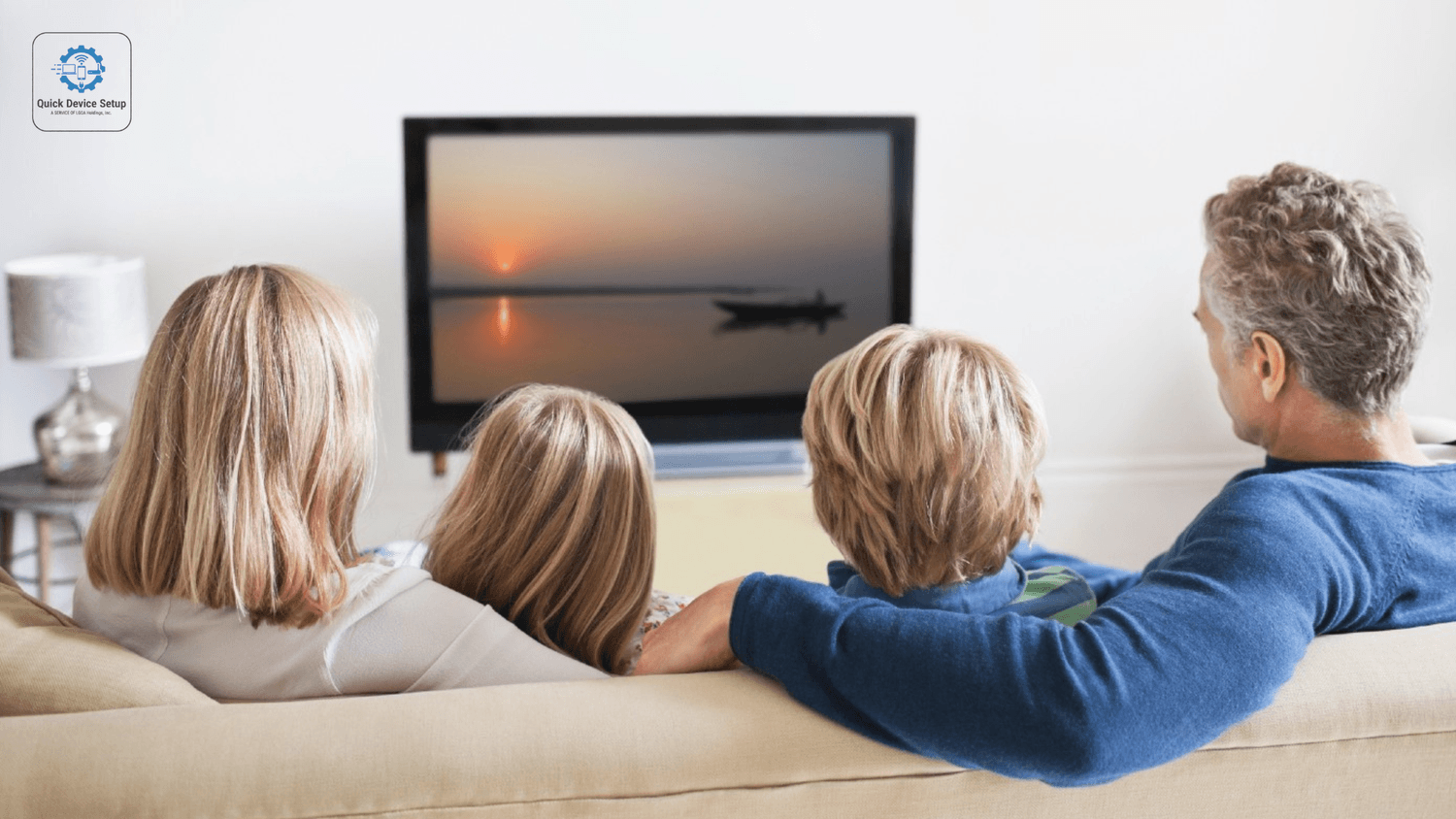
Buying a new television is kind of exciting, but a lot of people forget one step that comes first before you even tap the power button. It is like choosing the right location. Where you put your TV can change the picture quality, how the sound comes through, how comfortable it feels when you watch, and even how long the device lasts. So before you start a Vizio TV Setup, take a few minutes to find that ideal spot somewhere in your home.
A solid plan for the location helps cut down glare , boosts internet connectivity, too, and generally makes the whole entertainment moment better for everyone in the room. No matter if you’re placing it in the living room, bedroom, office area, or some kind of dedicated entertainment setup , the placement itself can make a noticeable difference.
This guide will walk you through what you should think about before installation so you can enjoy a better viewing experience right from the first day.
Why TV Placement Matters
Many people focus only on screen size and features, but placement is equally important. A poorly positioned television can lead to eye strain, reflections on the screen, weak Wi-Fi signals, and uncomfortable viewing angles.
Choosing the correct location helps you:
Enjoy clearer picture quality.
Reduce screen glare
Improve sound distribution
Create comfortable viewing angles.
Maintain a cleaner and safer setup.
Keep cables organized and hidden.
Planning ahead saves time and prevents the need to move the television later.
Step 1: Evaluate the Room Layout
Before installing your television, take a close look at the room where it will be used.
Ask yourself:
Where do people usually sit?
How much space is available?
Are there windows nearby?
Is there enough room for accessories?
The ideal location should provide a direct view of the screen from the primary seating area. Avoid placing the TV in a corner if it forces viewers to sit at awkward angles.
A centered position usually provides the most comfortable experience for family members and guests.
Step 2: Consider Viewing Distance
The distance between the TV and the seating area plays a major role in viewing comfort.
If the television is too close, viewers may experience eye fatigue. If it is too far away, details may be difficult to see.
A general rule is to sit at a distance that allows you to enjoy the full screen without constantly moving your eyes or head. Larger screens require more space, while smaller screens can work well in compact rooms.
Measure the viewing area before installation to ensure the screen size matches the room dimensions.
Step 3: Avoid Direct Sunlight
One of the most common mistakes homeowners make is placing a television directly opposite a window.
Natural sunlight can create strong reflections on the screen, making it difficult to watch movies, sports, or TV shows during the day.
To minimize glare:
Place the TV away from direct sunlight.
Use curtains or blinds if needed.
Consider adjustable lighting options.
Avoid positioning bright lamps behind viewers.
Reducing reflections improves picture quality and enhances the viewing experience.
Step 4: Choose the Right Height
The height of the television is another important factor.
The center of the screen should generally align with eye level when viewers are seated. Mounting the TV too high can cause neck strain during long viewing sessions.
When selecting a location, sit in your usual viewing position and estimate where your eyes naturally rest. This simple step helps create a more comfortable setup.
For bedrooms, slightly higher placement may be acceptable because people often watch television while reclining.
Step 5: Check Wi-Fi Signal Strength
Modern smart TVs rely heavily on internet connectivity for streaming services, software updates, and online features.
Before beginning installation, test the Wi-Fi signal in the chosen location. Weak signals can lead to buffering, slow downloads, and interrupted streaming.
If the signal is weak:
Move the router closer.
Use a Wi-Fi extender
Consider a wired Ethernet connection.
Remove obstacles between the router and the television.
Strong connectivity makes streaming smoother and more reliable.
Step 6: Ensure Access to Power Outlets
A television setup often requires multiple power connections.
Besides the TV itself, you may connect:
Streaming devices
Gaming consoles
Soundbars
Media players
Cable boxes
Make sure the chosen location has easy access to electrical outlets. Avoid using excessive extension cords, as they can create clutter and safety concerns.
A clean power arrangement helps maintain an organized entertainment area.
Step 7: Think About Cable Management
Visible cables can make even the most expensive entertainment setup look messy.
Before installation, plan where cables will run and how they will be concealed.
Options include:
Cable covers
Wall-mounted cable channels
TV stands with cable management systems.
In-wall cable routing
Many homeowners consult professionals such as Quick Device Setup services when they want a cleaner and more polished installation.
Good cable management improves both appearance and safety.
Step 8: Consider Sound Performance
Picture quality gets most of the attention, but sound is equally important.
The room’s layout can affect audio performance significantly.
For better sound quality:
Avoid placing the TV inside enclosed cabinets.
Leave some space around speakers.
Reduce nearby objects that may block sound.
Position seating where audio can travel evenly
If you plan to add a soundbar or speaker system later, leave enough room during the initial installation process.
Step 9: Decide Between Wall Mounting and a TV Stand
Both installation methods offer advantages.
Wall Mounting Benefits
Saves floor space
Creates a modern appearance
Reduces accidental bumps
Provides flexible viewing angles
TV Stand Benefits
Easier installation
No wall drilling required
Simple access to ports and cables
Easy repositioning when needed
Choose the option that best suits your room design and lifestyle.
Step 10: Prioritize Safety
Safety should never be overlooked when selecting a television location.
Keep the television away from:
High-traffic walkways
Areas where children frequently play
Unstable furniture
Excessive heat sources
A secure placement reduces the risk of accidents and protects your investment.
This is especially important when performing a Vizio TV Setup in homes with children or pets.
Common Placement Mistakes to Avoid
Many homeowners make simple mistakes that can affect viewing quality.
Avoid these common issues:
Mounting the TV too high
Ignoring room lighting
Choosing a location with weak Wi-Fi
Sitting too close to the screen
Blocking ventilation areas
Forgetting future accessory space
Being aware of these mistakes can help you create a better entertainment environment.
Helpful Tips for the Best Viewing Experience
Here are a few extra recommendations:
Use Comfortable Seating
Arrange furniture so viewers can watch comfortably without twisting their necks.
Leave Room for Ventilation
Televisions generate heat during operation. Ensure there is adequate airflow around the device.
Test Before Final Installation
Place the television temporarily in the selected spot and watch content for a few hours before permanently mounting it.
Plan for Future Upgrades
Leave space for additional devices such as gaming consoles, streaming equipment, or upgraded audio systems.
These small adjustments can significantly improve the overall experience after a Vizio TV Setup.
Conclusion
Choosing the right place is one of the biggest steps to take before you start a Vizio TV Setup. If you choose it well, the picture can look sharper, the sound tends to be fuller, your internet connection stays more stable, and everybody in the household can relax and watch in a way that feels a bit more natural.
When you think about the room layout, the viewing distance, the lighting conditions, how the cables are managed , plus basic safety and even what you might need later, you can dodge a lot of the usual setup hiccups. And if you want more help for installation planning and device configuration, Quick Device Setup can make sure everything is aligned properly from the start, not just “kind of works” at first.